Pages

Wednesday, 15 March 2017

The Hindu New Year 2074 or Vikram Nav Varsh Samvant

The Hindu New Year 2074 or Vikram Nav Varsh Samvant in the traditional lunar Hindu calendars followed in North India – especially in Uttar Pradesh, Himachal Pradesh, Haryana, Madhya Pradesh, Rajasthan, Uttarakhand, Bihar, Jharkand, Jammu and Kashmir, Punjab, Delhi and Chhattisgarh is celebrated on Chaitra Shukala Pratipada (March – April). In 2017, the Nav Samvat begins on March 29. The New Year is first day after the Amavasi (No moon) in the month of Chaitra. The current year is known as Soumya Samvatsar.
Nav Varsh Samvat 2074 in Gujarati calendar begins on October 20, 2017.
Saka Era 1939 begins on March 29 in Maharashtra, Andhra Pradesh, Telangana and Karnataka.
Vikram Era was started in 57 BC by Emperor Vikramaditya as a commemoration of his victory upon the Shaks. This victory took place at Ujjain, one among the four places associated with Kumbh Mela. This Hindu calendar is also known as Vikram Samvant.
According to the traditional Hindu calendar followed inNorth India this is year Vikram Samvat 2074. This calculation of Hindu New Year is based on the Luni-Solar calendar. A month in the calendar is calculated from the day after full moon to full moon (Pratipada tithi after Purnima to Purnima). This is known as Purnimanta system.
The calendars followed mainly in North India are based on the Amanta and Purnimanta system. Amanta calendar is calculated from New moon to New moon. Purnimanta is calculated from Full moon to Full moon. Amanta is used in some places for calculating festivals and other auspicious days.
The Amanta Lunar calendar starts with Chaitra month. Amanta is used fix all the major Hindu festivals in North India. Even those communities that prefer the Purnimata calendar use Amanta calendar for fixing festivals.
It must be noted here that Gujarat follows a different calendar system and there the New Year falls on the day after Diwali – the calendar is popularly known as Vikram Samvat – the current year in Gujarati calendar is Vikram Samvat 2074 (It will change only on October 20, 2017).
Similarly, the official Government of India calendar, the Saka Calendar, has its New Year in Chaitra month but it falls on March 21st or March 22nd.
#MaaDurga#Shailputri#Brahmacharini#Chandraghanta#Kushmanda#Skanda Mata#Katyayani#Kalratri#Maha-Gauri#Siddhidatri#Jagdamba#Chaitra-Navratri#Ramnavmi#Dussehera#Vijayadashami
Chaitra Navratri 2015 - 2016 Dates(Hindu New Year)
How to Perform or Observe Navratri Vrat and Puja Vidhi?
Nine Goddesses of Navratri
Significance of Navratri
Navratri Puja Vidhi Hindi Method with Ghatasthapana?
Gudhipadwa Celebrations & Significance Of The Gudi
Gudipadwa Muhurat Marathi Vikram Samvat 2073 Begins
Story of Navratri and Durga Puja

Friday, 10 March 2017

11th of April, at Tuseday.Hanuman Jayanti 2017

Hanuman Jayanti 2017
Hanuman Jayanti 2017 will be celebrated by the people all over India on   11th of April, at Tuesday.Hanuman Jayanti 2017
Hanuman Jayanti is celebrated on full moon day during Chaitra month. Hanuman, who is also known as Vanara God, was born on this day and Hanuman Jayanti is celebrated to commemorate the birth of Hanuman. 
Hanuman is the symbol of strength and energy. Hanuman is said to be able to assume any form at will, wield rocks, move mountains, dart through the air, seize the clouds and rival Garuda in swiftness of flight. He is worshipped as a deity with magical powers and the ability to conquer evil spirits.
Devotees observe Hanuman Jayanti during different time of the year according to their regional beliefs and the type of calendar being followed. Hanuman Jayanti during Chaitra Purnima is the most popular one in North Indian states.
In Andhra, Hanuman Jayanthi is celebrated for 41-days which begins on Chaitra Purnima (April 11) and ends on the tenth day during Krishna Paksha in Vaishakha month is on May 21, 2017
In Tamil Nadu Hanuman Jayanti is known as Hanumath Jayanthi and observed during Margashirsha Amavasya.  Hanuman Jayanti is observed during the Margazhi month (December – January)  
In Orissa, Hanuman Jayanti is observed during Vishubha Sankranti .
Hanuman Jayanti is also observed some communities during Diwali . This is observed on the previous day of Diwali. 
In Karnataka - Another popular day dedicated to Hanuman is the Hanumantha Vrata observed in Margashirsh month (November - December) in Karnataka and parts of Andhra Pradesh and Telagnana. 
In the Maharashtra, it is commemorated to the Purnima in the Hindu Lunar month of Chaitra. However, according to other Hindu calendar, it falls on 14th day (chaturdashi) of Ashvin month in the dark fortnight. 
How  to Celebrate Hanuman Jayanti
Lord Hanuman, a dedicated disciple of the Hindu Lord Rama, is worshipped all over the India by the Hindu people for his deep devotion to the god Rama. At the day of Hanuman Jayanti celebration, all the Hanuman temples become full of crowd as people started puja from early morning after a holy bath. Hanuman Jayanti is celebrated with great enthusiasm by the people of Hindu religion as an important festival of the Hindus. It is a great Hindu ritual celebrated in cultural and traditional way.
Hanuman Ji
People worship Lord Hanuman as a symbol of devotion, magical powers, strength and energy. People read Hanuman Chalisa as it has ability to conquer the evil spirits and provide peace to the mind. The devotees of Lord Hanuman visit Hanuman temples at this day after a holy in the early morning, apply red tilak (vermillion) to the foreheads of Hanuman idol, read Hanuman Chalisa, offer Prasad of laddoo, do Aarti by chanting mantras and Aarti songs, make round of the temple and so many rituals. As Lord Hanuman was born to the Vanara community having reddish orange color body, that’s why it is seen to all the Hanuman temples having reddish orange colored Hanuman idol. After puja, people apply red Sindur to their own foreheads as a Prasad and distribute laddoo Prasad among people to get blessed with what they have prayed to their God Hanuman. After puja, Prasad is distributed among people to have full blessings.
Significance of Hanuman Jayanti Celebration
Hanuman Jayanti celebration indicates the balanced coexistence of the whole human fraternity with the nature’s incredible creature, Lord Hanuman from Vanara community. People from the Hindu religion worship Lord Hanuman as a divine creature. This celebration has lots of importance to all however Brahmacharis, wrestlers and bodybuilders are specially inclined towards this celebration. There are many names through which Lord Hanuman is famous among his devotees like Bajrangabali, Pavanasuta, Pavankumar, Mahavira, Balibima, Marutsuta, Anjanisut, Sankat Mochan, Anjaneya, Maruti, Rudra and many more.
Hanuman avatar is considered as the 11th Rudra avatar of the Lord Siva with great devotion, strength, knowledge, divine power, bravery, intelligence, spirit for selfless service and etc. He has devoted his life only for his Lord Rama and Mata Sita and never shows his bravery and intelligence without any purpose. The devotees of the Lord Hanuman always pray him for getting blessed with the same for their bright future. He is worshipped in many ways by his devotees; some meditates by repeating his name many times to get power, fame, success and etc in the life whereas some reads the Hanuman Chalisa to get the same.
History behind Celebration of Hanuman Jayanti
Once, a great saint named Angira went to visit the heaven king, Indra and welcomed there through the dance presented by a damsel named, Punjiksthala. However, saint was not used of that type dance and started meditating on his God. After the end of dance, he was asked by the Indra about the performance of dance. He was silent and said that I was in deep meditation to my Almighty because I have no interest in such dance. It was very ashamed to the Indra and damsel; she started disappointing the saint and then cursed by the Angira that “Behold! You shall degrade to earth from Swarg. You will be born as a female monkey in the mountain forests”.
She then felt sorry and regretted to the saint then a merciful saint supported her through blessings like, “A great devotee of Paramatma will be born to you. He will forever serve Paramatma”. She became the daughter of Kunjar (king of the monkeys on earth) and got married to the Kapiraj Kesari of the Mount Sumeru. She gave birth to the Hanuman with the help of five divine factors such as curse and blessings of the saint Angira, her prayers, blessings of Lord Shiva, blessings of Vayu deva and Putreshti Yagna’s fruit. It is considered that Lord Shiva had to rebirth as a human being on the earth in his 11th Rudra avatar in the form of Hanuman as He could not serve to the Lord Rama by being in His real form.
The whole Vanara community including all the human fraternity was happy and celebrated his birthday with great enthusiasm and joy by dancing, singing and lots of activities. From then, it was started celebrating as a Hanuman Jayanti by his devotees to get strength and wisdom like him.
What are the offerings made to Hanuman?
The most important offerings made to Hanuman are Sindhoor (vermilion powder), til (Sesame), til oil, urad dal (husked black gram) and garlands of Arka flowers and leaves.
Red color symbolizes virility and strength. It is also said that Hanuman started applying vermilion all over the body after he found that Mata Sita was wearing Sindhoor on her forehead to protect Lord Ram.
In South India, clarified butter and vadas are also offered to Lord Hanuman.
The leaves and flowers that are offered to Hanuman are wild and contains medicinal properties. The widely used flower and leaf is that of Arka or Milkweed flower
Arka in various languages:
Bengali: Aakanda
English: Bowstring Hemp, Calotrope, Crown Flower, Giant Milkweed, Swallow-Wort
Hindi: Ak, Akua, Arka, Akwan, Fudhar, Madar, Safed Aak
Manipuri: Angkok
Marathi: Arka, Arki, Rui, Ruiti
Sanskrit: Alarka, Arka, Arki, Sadapushpa
Tamil: Erukku, Malaiyerukku
Telugu: Jilledi Puvvu, Jilledu, Nallajilledu, Uccinta, Uchchinta

Tuesday, 7 March 2017

#Safety During the #Holi#Festival

Throwing Colors During Holi
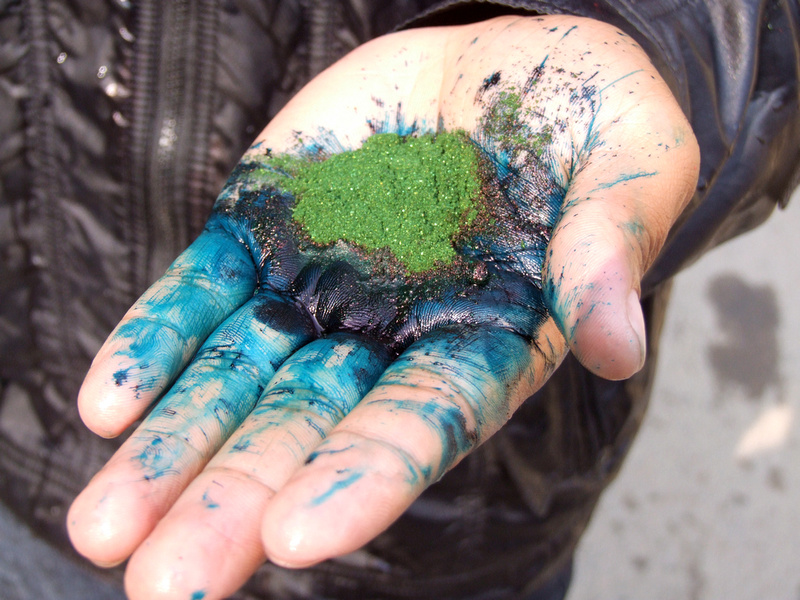
Aside from simply being great fun, the throwing of colors during Holi once had medicinal significance.To counter colds and viruses brought on by the weather change in spring, the colorful powders were traditionally made from natural medicines such as neem and tumeric.
Today, most of the colored dye that is thrown during Holi is synthetically produced, and in sharp contrast to tradition, may actually harm one's health rather than help it! A study conducted found that many of the dyes used during Holi were toxic and carried health threats; two of the colors, including red -- one of the most predominate colors -- were found to be made of carcinogenic chemicals.
The colours of Holi are very special and add to the vibrancy of the day. In the past, the colours that were used on people’s skin were natural but many of them now are man-made and some even of dangerous chemicals leaving some people with skin inflammations. 
Today, we use highly toxic chemical substances to make colours during Holi. Some of these chemicals are purely meant for industrial use. But often the customer is cheated into buying these cheap colors. Most people are also unaware of the components used to make these colors.
To make a quick money some manufacturers are seen to adulterate the colours with diesel, chromium iodine, engine oil, copper sulphate, and glass powder (to add sheen), which is known to cause nausea, headache, breathlessness among other ailments.
The chemical colors are mainly available as paste, powder and watercolor. They are mainly made up of chemicals and heavy metals. Asbetos and silica normally form the base for these colors. Some of the other components used in making the colors like chromium, lead, and mercury are highly harmful.
The chemical colors can cause itching, rashes, allergies and breathing difficulties. People who are allergic to certain substances might find it difficult to breath and stop the itching.
It is also very hard to remove some chemical colors from the skin. In some rare cases, they enter into the body through the skin. Sometimes these colours accidentally enter into eyes and cause reddening and itching.
An easy method employed to produce Holi colors in large scale is to mix colored powder with soft stone dust. You must be aware what happens when stone dust gets into your eyes. 
THINGS TO REMEMBER WHILE BUYING COLORS DURING HOLI?
1.Carefully read the instructions on the color packet. Some brands specify that the color is for industrial use. Avoid them.
2.If you examine the color powder carefully you can see glass powder avoid such colors.
3.Try to smell the color and see if it is made using chemicals like engine oil etc
If you are opting for non-packaged color, buy from a reputed shop.
4.Today, there are several branded natural colours. And the best option is to go for the natural colours.
5.Before buying colours take the advice of friends and relatives as they might give valuable advice on from where to purchase and which brand.
6.Use more of red or pink colours which looks good and can easily taken off. Gaudy purple, green, yellow, orange have more harmful chemicals in them and should be avoided
7.If you have time and patience, you can make natural Holi colours at home.
Holi Safety Information
The best places to celebrate Holi in India really depend on what kind of experience you want to have. You'll find activities taking place almost all over India, but they range from traditional temple rituals to modern parties with DJs, bhang, and plenty of colors. See which of these places, with totally different Holi festival celebrations, appeal to you the most.Holi is not the time or place to wear your best clothes; leave your expensive camera in the hotel!
Plan on any clothing, jewelry, and items that you are carrying to become drenched and dyed during Holi. The dyes do not always wash out easily, so plan to keep that color-stained shirt as a souvenir of the festival!
Holi is a very carefree festival that’s great fun to participate in if you don’t mind getting wet and dirty. You'll end up saturated in water, with color all over your skin and clothes. Some of it doesn't wash out easily, so be sure to wear old clothes. It's also a good idea to rub hair oil or coconut oil into your skin beforehand, to prevent the color from absorbing.
As Holi provides an opportunity to disregard social norms and generally "let loose", males commonly take it too far and act disrespectfully.
Local men have become notoriously aggressive while intoxicated in recent years during Holi; their actions can spoil the fun for some traveling women. Read about misbehaving local men during Holi.Single women should avoid going out alone in public places during Holi, as inebriated young Indian guys often pose a safety threat. These males, who have consumed excessive amounts of bhang and other intoxicants, will inappropriately touch women and make a nuisance of themselves. They are usually in groups and can be very aggressive. Incidents of rape also do occur, which makes it important to take proper care during Holi.
If you plan on going out into the streets on Holi, do so early in the morning. Be back in your hotel by midday before the men get too inebriated. Many hotels hold special Holi parties for their guests in a safe environment.
Expect to have colored powder and water rubbed and thrown onto your face, mouth and ears. Keep your mouth shut and protect your eyes as much as possible.
Tips to protect your skin during Holi festival 
1.Always use Natural Holi colours. 
2.Use a moisturizer on your face and all those parts that are exposed. 
3.Use oil or conditioner on your hair before playing Holi. The oil or conditioner will form a thin layer and it will act as a barrier. You can easily remove it with shampoo later.- Use antiseptic cream or lacto-calamine ointment for hypersensitive skins before you start playing Holi
4.If you’re allergic to chemicals, consult your doctor before playing Holi. 
5.Avoid water balloons as they can cause injuries. 
6.If there is severe irritation, consult a doctor. Don’t attempt self-medication.
7.Apply thick coating of paint on your nails- both in fingers and toes so that they remain protected
8.While removing colours, a cleanser may be used instead of soap, which tends to cause dryness
9.Take a bath much later after the entire Holi celebration is over. Taking frequent baths, washing the face again and again, will ruin your skin. You will also lose hair, for too much soap/shampoo has a drying effect.
10.Use besan mixed with curd and turmeric when u take a bath.It removes the colour easily.
11.Wear full-sleeved t-shirts or shirts and leggings that cover your legs fully, so that your sensitive body parts are not exposed to the harmful chemicals of the colors of Holi. Wearing socks on the occasion is a good idea too.
12.If you are traveling on Holi, keep the car windows tightly shut. It is still better to avoid traveling on the day of playing colors, because you never know, when balloons filled with colors and water might fall onto you

Here are a some more tips and suggestion to make your holi safe and joyous. 
1.Play safe. Don't get to boisterous and do not let others to be rude on you.
2.Cover your hair. Make use of hat or caps to protect your hair from being coloured with hard-to-rinse dyes. 
3.Make sure that powder or any other product does not get inside your eyes. Eyes are extremely vulnerable on Holi because of their strategic place in body and also because of the use of harmful chemicals in colors these days. Please ensure that your eyes remain protected at all times. 
4.Use dental caps to save your teeth from any unwanted stains. 
5.Put on your worst clothes so that you won't have to take on the hassles of an immediate washing. 
6.Rags like tattered denims and bright shades like black, blue, green, purple are highly recommended. 
7.Try to save yourself off from all possible attacks on the face. In case your such attempts fail, keep your eyes and lips tightly shut if you are attacked on your face. 
8.If possible avoid going outside your home, atleast for the peak hours of celebration. The premises of your home ensure that you are safe from pouncing hooligans, even friends who can be a little rough on the day. 
9.When traveling keep the car windows thoroughly shut, even if you don't have an AC car. Do not bump into the frenzied group of mob if you take to streets. Better you cross the road to the sidewalk across. Or, simply stay at a safe distance. 
10.Rotten eggs when thrown on your head, flying missiles from locality buildings…are still not too bad, will be smelly yet is a good conditioner for your hair. But tar, shit, Mobil, stones and all the rubbish that you can be hit with is not. Avoid being a prey to hooligans. 
11.Remember you also have police on your side and if any untoward revelers misbehave, you can make your complaint. Mark out the locality, building and if possible the person. 
12.Avoid running on jumping on wet floors, so that you don't slip and injure yourself. Bones are specially vulnerable on this day. 
13.Avoid over indulgence in bhang, drinks or food... so that you don't repent later. 
14.Do not drive if you are high on alcohol or bhang. 
Keep handy pain killers, anti-oxidants, anti-allergic tablets if all the above tips have been disregarded. 
15.Be ready for emergencies: Keep a list of emergency contacts ready, including those of your paediatrician, closest hospital and ambulance service
The essence of Holi festival is acknowledging the spirit of oneness and devotion. Drowning in colored water represents ridding yourself of ill-will and hatred and getting intoxicated with love for everyone

Till then Bura na Mano Holi Hai!

Holika (Sanskrit: होलिका) was a demoness in Hindu Vedic scriptures, who was burnt to death with help of God Vishnu. She was the sister of King Hiranyakashipu and aunt of Prahlad.

Why Holika, a demoness, is worshipped on Holi? It is quite mysterious to worship Holika during Holi. Even no religious book has detailed explanation of worshipping Holika.Many scholars give their own explanation of word Holika and reason to worship her. Most of those interpretations zero down to burn evil even if it has power of doing good.

In the beginning Holika was protective as she was created to ward off all fears. She was symbol of power, wealth and prosperity and could bestow those to her worshippers. During a particular attempt on Prahlad's life, King Hiranyakashyapu called upon his sister Holika for help. Holika had a special cloak garment that prevented her from being harmed by fire. Hiranyakashyapu asked her to sit on a bonfire with Prahlad, by tricking the boy to sit on her lap and she herself took her seat in a blazing fire. The legend has it that Holika had to pay the price of her sinister desire by her life. Holika was not aware that the boon worked only when she entered the fire alone. Prahlad, who kept chanting the name of Lord Naarayana all this while, came out unharmed, as the lord blessed him for his extreme devotion.However she became harmful and fearsome when she tried to immolate devotee Prahalad. Hence Holika was burnt to ward off any further trouble.
Krishna and Radha 

This symbolic myth is common in some parts of India, where Holi is also called Phagwah and Holika is instead called Pootna or Putna. Kansa, king and uncle of Krishna, sensed danger to his life from his infant nephew when he grows up. Kansa sends the demon Putna disguised as a woman to poison the infant under the guise of breast feeding. Baby Krishna sucks not only the poisonous milk but her blood too - forcing her to re-appear in her true form of a demon. She runs, and bursts into flames. Putna dies, while baby Krishna transitions into his characteristic dark blue skin color. The day before Phagwah is celebrated by burning Putna. According to the myth, in his youth, Krishna despairs about fair skinned Radha and whether she or other Gopis (girls) will like him because of his skin color. His mother tired of the desperation, asks him to approach Radha and color her face in any color he wanted. This he does, and Krishna and Radha became a couple. The playful coloring of face of Radha has henceforth been celebrated as Holi.
Holika Dahan is burning of Holika is the one that we can most directly associate with Holi. Fire burnt on the eve of Holi (Holika Dahan) symbolizes the burning of Holika. The story as a whole is testament to the power of devotion (bhakta) over the evil represented by King Hiranyakashyapu, as Prahlad never lost his faith.
The burning of Holika is the most common mythological explanation for the celebration of Holi. In different parts of India varying reasons are given for Holika's death. Among those are: 
Vishnu stepped in and hence Holika burnt. 
Holika was given the power by Brahma on the understanding that it can never be used to bring harm to anyone, 
Holika was a good person and it was the clothes that she wore that gave her the power and knowing that what was happening was wrong, she gave them to Prahlad and hence died herself. 
Holika wore a shawl that would protect her from fire. So when she was asked to sit in the fire with Prahlad she put on the shawl and sat Prahlad down in her lap. When the fire was lit Prahlad began praying to Lord Vishnu. So Lord Vishnu summoned a gust of wind to blow the shawl off of Holika and on to Prahlad, saving him from the flames of the bonfire and burning Holika to her death.
    It is written in Narada Purana "Some foolish or childish people, due to constant fear of blood sucking demons, created Holika. Hence, I worship you and seek power, wealth and prosperity for myself. Holika is a demoness and she scares Prahalad. Hence we burn her with wood and music. Burning of Holika is also symbolic of burning the year as well as sexual desires."

    #Holi 2017 – #Festival of #Colours – Holi Festival #Date in 2017


    Holi is a religious festival celebrated by Hindus all over the world. Holi is considered as second biggest festival on Hindu calendar after Diwali. It falls in either late February or early March. Holi is also known as festival of Colors. It is also the Hindu spring festival, is celebrated on the full moon day in the month of Phalugna or Falguna (February – March). In 2016, Holi date is March 13 (play with colors). 

    Holi celebrates spring, fertility, good harvests, and the return of bright colours after the drabness of winter. There are records in Sanskrit of Hindus celebrating Holi as far back as the 7th Century but there are some records of a celebration called Holikotsav around 300 B.C. Many temples across the country have paintings that are hundreds of years old, or even older, depicting Holi celebrations.
    In most regions Holi festival is celebrated for two days. The first day is known as Jalanewali Holi - the day when Holi bonfire is done. This day is also known as Chhoti Holi and Holika Dahan. Holika Dahan is referred to Kama Dahanam in South India.. 
    There are many stories of the origin of Holi. The bonfires are lit in memory of the miraculous escape that young Prahlad had when Demon Holika, sister of Hiranyakashipu, carried him into the fire. Holika was burnt but Prahlad, a staunch devotee of Lord Vishnu, escaped without any injuries due to his unshakable devotion.Other legends associated with the festival include the legend of Shiva and Kaamadeva and those of Ogress Dhundhi and Pootana. All the stories show the triumph of good over evil, which is another special aspect of this festival.
    In western part of india Holi celebrations begin on Rang Pashi, three days earlier to Holika Dahan. All family members gather at home; and Gulal is sprinkled on all by the eldest family member. Women wear their special Holi dandia saris on the day.
    On day before Holi bonfires are lit after sunset at Right Holika Dahan Muhurta. Main Holi day when people play with colors is always next day of Holika Dahan or Holi bonfire. Next day in the morning people play Holi with dry and wet colors.People visit the homes of friends and relatives and play Holi with colors.The colours of Holi are very special and add to the vibrancy of the day.People are more willing and comfortable to play Holi with dry colored powders which are known as Gulal. However many people feel that Holi celebrations are incomplete without wet colors. Wet color is applied on the face and is made on the spot by mixing little amount of water with dry colored powder. More enthusiastic Holi folk mix dry colored powder in full bucket of water to drench complete body in wet color. In the past, the colours that were used on people’s skin were natural but many of them now are man-made and some even of dangerous chemicals leaving some people with skin inflammations. Bhang (a paste made from cannabis plants) is also traditionally consumed during the celebrations.Holi is a very carefree festival that’s great fun to participate in if you don’t mind getting wet and dirty. You'll end up saturated in water, with color all over your skin and clothes. Some of it doesn't wash out easily, so be sure to wear old clothes. It's also a good idea to rub hair oil or coconut oil into your skin beforehand, to prevent the color from absorbing The festival marks the end of winter and the abundance of the upcoming spring harvest season.
    However, the most interesting moments of Holi festival is the pyramid-type arrangement with a pot of buttermilk hung very high up in the street. Men climb up this pyramid to break the pot, in the same way as Lord Krishna did when he was a child. Holi in India is never complete without the special Holi menus which include especially homemade rich sweet dishes like, 'gujiyas', 'malpuas' 'puranpolis.' Cool summer drinks like 'thandai', mixed with the intoxicating 'bhang', are eagerly looked forward to. Holi celebrations can be seen in full exuberance with children and adults indulging in a frenzied display of colored water play with friends, relations and peers. The evening is a more formal affair, with people greeting each other with 'gulal' or dry colours, wearing new clothes

    Places related to life of Lord Krishna are known as Braj regions. Holi rituals in Braj regions - Mathura, Vrindavan, Gowardhan, Gokul, Nandagaon and Barsana - are the most famous one. The LathmarHoli - the traditional Holi festivity in Barsana is world famous.
    An important that is celebrated in North India after the Holi festival day is Bhai Dhooj.
     Dol Purnima (Dol Jatra) celebrations in West Bengal and Odisha, which take place on the full moon day before Holi, are dedicated to Lord Krishna. Idols of Radha and Krishna are carried around in procession on specially decorated palanquins. Devotees take turns swinging them. The idols are also smeared with colored powder. Of course, colors are thrown at people on the streets too! Festivities actually begin six days beforehand, on Phagu Dashami.

    2017 #Holi - Holashtak #Timings

    3 March 2017

    #Holi - Holashtak #Timings

    Holi - Holashtak Timings
    Holi is the time to forgive and forget old enmities. Holi is not only a social event but also it has its religious significance. The main Holi festivities span for two days. The first day has only religious significance when people perform Puja ritualistically before Holika Dahan. The second day has only social significance and no Puja activities are associated with it. For most of the tourists and foreigners it is the second day which is known as Holi. However for the Hindus, it is the first day which has more significance and is considered the main Holi day.
    Eight day prior to the festival Holi are collectively known as "Holashtak". The word 'ashtak' means 'eight'. This period commence from the lunar month of Phalgun and on ashtami tithi and it ends on Phalgun Poornima. This period of eight days is considered as highly inauspicious , specially in north India.No auspicious work is commence during this period.This period is considered is very important for Taantriks as this is the most favourable period for fulfilling their goals through 'Saadhna'.They attain special powers during this time which can be used in a desired way.Most temples in Mathura and Vrindavan organize Holi events during these eight days of Holashtak. At the begining of Holashtak,on day 1, the place where Holika dahan has to be performed after 8 days is cleaned with Ganga Jal.pyre is created specifically with a wood which are collected from the broken branches of trees.All the 16 sanskaars of hindu are not performed during this period. In case of a death, the last rites are performed only after special prayer to ward off the evil effect of Holashtak.It is believe that on day one of Holashtak, Lord Shiva burned the Kaam dev with HIS fire of anger.
    In the year 2017, the time between 5th March 2017 to 12th March 2017 is celebrated as the festival of Holashtak. Holashtak is like a knocking of Holi’s arrival. Also, from this day preparation of Holika Dahan is started, further moving to Holi.It should be noted that Holashtak is an inauspicious time to conduct marriage and any other auspicious ceremonies. However the effect of Holashtak is limited to certain area of the Northern India. The places on the banks of river Vyas, Ravi and Satlaj, all of which are in Punjab, and the Pushkar area of Ajmer are affected with Holashtak. However most people in North India, even those residing outside the mentioned places, avoid any auspicious ceremonies during this time. Holashtak is less known event in the South India.
    Significance of Holashtak from Ancient Times
    Holashtak stays from the Phagun Shukal Ashthami to Holika Dahan, that is, Purnima. In these days, the season start showing changes. Winters seem to say goodbye, with the arrival of spring. In addition, the coming of spring is indicated with the fragrance of flowers in the nature. It is believed that, Holashtak began when Lord Shiva got angry on Kaam dev and killed him.
    The assumption regarding Holashtak is believed only in some parts of India. The belief of these ideas are basically seen in Punjab. As the colors of Holi, its celebration style is also diverse. Holi is celebrated in different ways in Uttar Pradesh, Rajasthan, Punjab, Haryana, Tamil Nadu, Gujarat, Maharashtra, Orissa, Goa etc. In all the region of India which don’t belive in Holashtak, don’t stop doing any good work between the period of Holashtak to Holika Dahan.In some communities people even do not prefer starting a new business venture during the Holashtak period. This is due to the fact that during the period of Holashtak, Hindu planets like Sun, Moon, Mercury, Jupiter, Mars, Saturn, Rahu and Venus undergo transformations. The period of Holashtak is considered to be very favourable for Tantriks as they can easily achieve their goals through ‘Saadhna’. 
    Holashtak tantrik puja
    Holashtak puja is carried out by vamtantra with proper tantrik rituals. Benefit of this tantrik puja are many. Some of the benefits are:To protect the person suffering from the illness or to avoid untimely death/akaal mrityu, to protect from family disputes, enemies, court cases, to protect from bankrupted business, to protect from all ill-effects of Black magic, Evil spells, Curses, Ghosts and Spirits. 
    Tantrik holashtak puja also cures everyone from the evil effects of past attacks and protects one from all future attacks and maran prayog.
    Rituals during Holashtak:
    With the start of Holashtak, people start decorating the branch of a tree using colourful pieces of clothes. Each individual ties a piece of cloth on the branch and it is then finally buried in the ground. Few communities even burn these pieces of clothes during Holika Dahan.
    Also on the beginning day of Holashtak, Falgun Shukla Paksha Ashtami, and a place is chosen for Holika Dahan. On each day small sticks are gathered and collected at the place of Holika Dahan. The 9-day festival of Holi finally comes to end on the day of ‘Dhuleti’.
    The day of Holashtak is ideal for doing ‘Daan’ or offering donations. During this time one must generously donate clothes, grains, money and other essential commodities as per their financial status.
    Things that Shouldn't be Done During Holashtak
    Holashtak is mainly celebrated in Punjab and Northern India. On the day of Holashtak, where on one hand, the above mentioned works are done and on the other hand, there are many works which should not be done on this day. This prohibition is from the day of Holashtak to Holika Dahan. As per the name Holashtak begins eight days before Holi.
    In the mid of Holashtak, none of the rituals(Sanskar) is done out of the 16. Even, before the cremation, ‘Shanti Karya’ is performed. Since, the 16 rituals are not allowed in these days, hence, this period is counted as inauspicious.

    Sunday, 2 October 2016

    2016 Vijayadashami, Dasara puja timings for Jabalpur, India

    2016 Vijayadashami, Dasara puja timings for Jabalpur, India

    History
    Dasha-Hara is the festival of Victory of Good over Evil. There are many variations to this feat, that are believed all across India.
    Dasara/ Dussehra is derived from Sanskrit Dasha-harameaning "remover of bad fate" meaning remover of ten heads of Ravana's.
    It is also referred to as Navratri and Durgotsav. It is also written as Dashahara, Dussehra Bengali:and Dashain in Nepali.
    Victory of Prabhu Ramachandra over Ravana

    Vijayadashami is celebrated as victory of Lord Rama over Demon Ravana and also triumph of Goddess Durga over the buffalo Demon Mahishasura. Vijayadashami is also known as Dussehra or Dasara. 
    When is Dussehra 2016?
    Dussehra 2016 - October 11 (Tuesday)
    Vijay Muhurat = 13:52 to 14:38
    Duration = 0 Hours 46 Mins
    Aparahna Puja Time = 13:06 to 15:25
    Duration = 2 Hours 19 Mins
    Dashami Tithi Begins = 22:53 on 10/Oct/2016
    Dashami Tithi Ends = 22:28 on 11/Oct/2016

    Panchang for Vijayadashami Day
    Choghadiya Muhurat on Vijayadashami

    Dasara is celebrated on the tenth day of the Hindu autumn lunar month of Ashvin, or Ashwayuja which falls in September or October of the Western calendar, from the Shukla Paksha Pratipada, or the day after the new moon which falls in Bhadrapada, to the Dashami, or the tenth day of Ashvin. The first nine days are celebrated as Maha Navratri(Sanskrit: ????????, 'nine nights') or Sharada Navratri {the most important Navratri) and culminates on the tenth day as Dasara.
    In India, the harvest season begins at this time and so the Mother Goddess is invoked to start the new harvest season and reactivate the vigor and fertility of the soil. This is done through religious performances and rituals which are thought to invoke cosmic forces that rejuvenate the soil. Many people of the Hindu faith observe Dasara through social gatherings and food offerings to the gods at home and in temples throughout India.In the months of Ashwin and Kartik, Hindus observe a 10 day ceremony of fast, rituals and celebrations.This celebration starts from Navratri and ends with the tenth day festival of “Dussehra”. Navratri and Dussehra is celebrated throughout the country at the same time, with varying rituals, but with great enthusiasm and energy as it marks the end of scorching summer and the start of winter season.
    Vijaya Dashami is considered to be an auspicious day for the Indian householder, on which he worships, protects and preserves 'Shakti' (power). According to Scriptures, by worshiping the 'Shakti' on these nine-days the householders attain the threefold power i.e. physical, mental and spiritual, which helps him to progress in life without any difficulty.
    The 'Ramlila' - an enactment of the life of Lord Rama, is held during the nine days preceding Dussehra. On the tenth day (Dussehra or Vijay Dasami), larger effigies of Ravana, his son and brother - Meghnadh and Kumbhakarna are set to fire.The theatrical enactment of this dramatic encounter is held throughout the country in which every section of people participates enthusiastically.
    In burning the effigies the people are asked to burn the evil within them, and thus follow the path of truth and goodness, bearing in mind the instance of Ravana, who despite all his might and majesty was destroyed for his evil ways
    Dussehra Mela (Fairs)
    Mela or fairs are a major highlight of Dussehra festivities. Fairs are organized in cities where stalls are set up for shopping and joy-rides and other activities for kids are organized, and the streets are bustling with people gathered to see huge effigies of Ravan burn. Kota Mela and Mysore Dasara Fair are some of the famous fairs on Dussehra..